Project Based Learning Activities
By MARISSA DESPINS Updated June 29, 2026
Project Based Learning Activities for Upper Elementary and Middle School
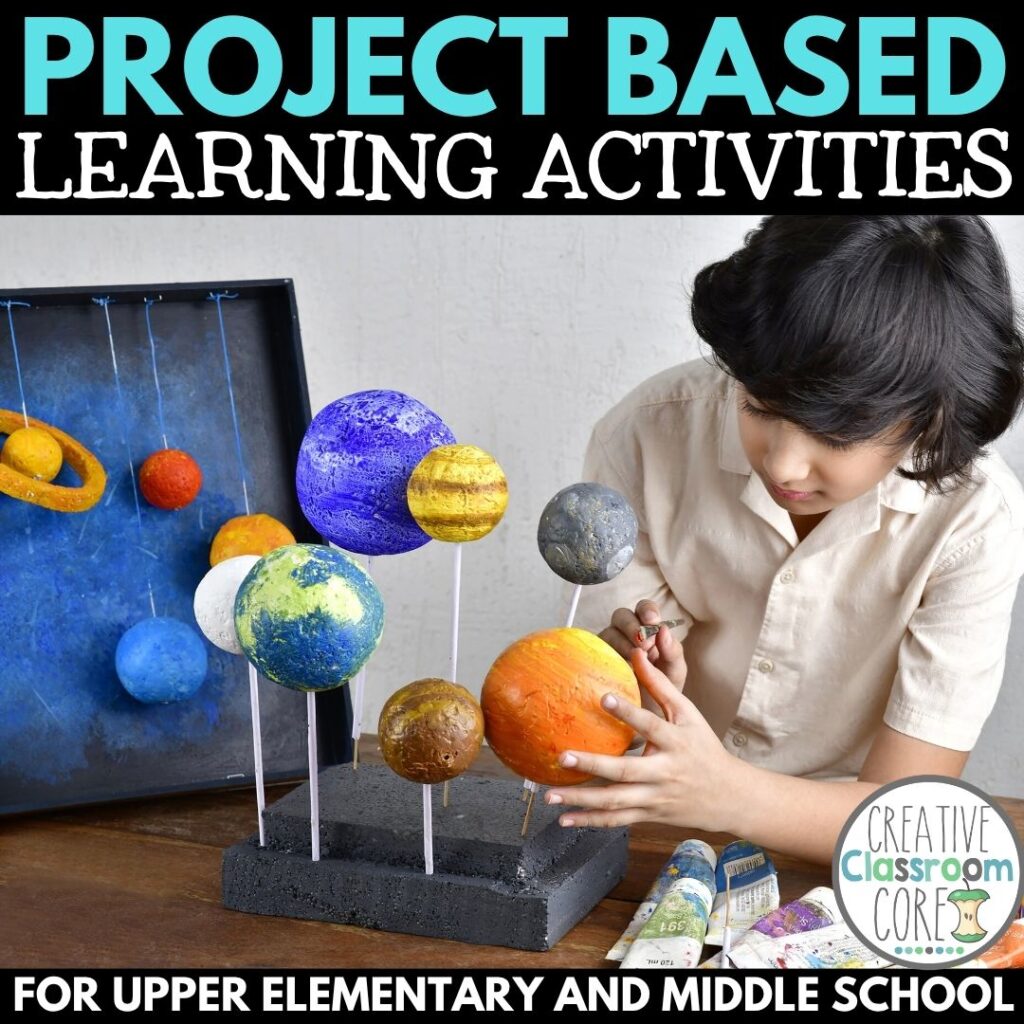
Keeping students engaged can be one of the biggest challenges teachers face. While traditional assignments still have an important place in the classroom, many students thrive when they are given opportunities to create, design, solve problems, and apply their learning in meaningful ways. This is where Project Based Learning (PBL) shines.
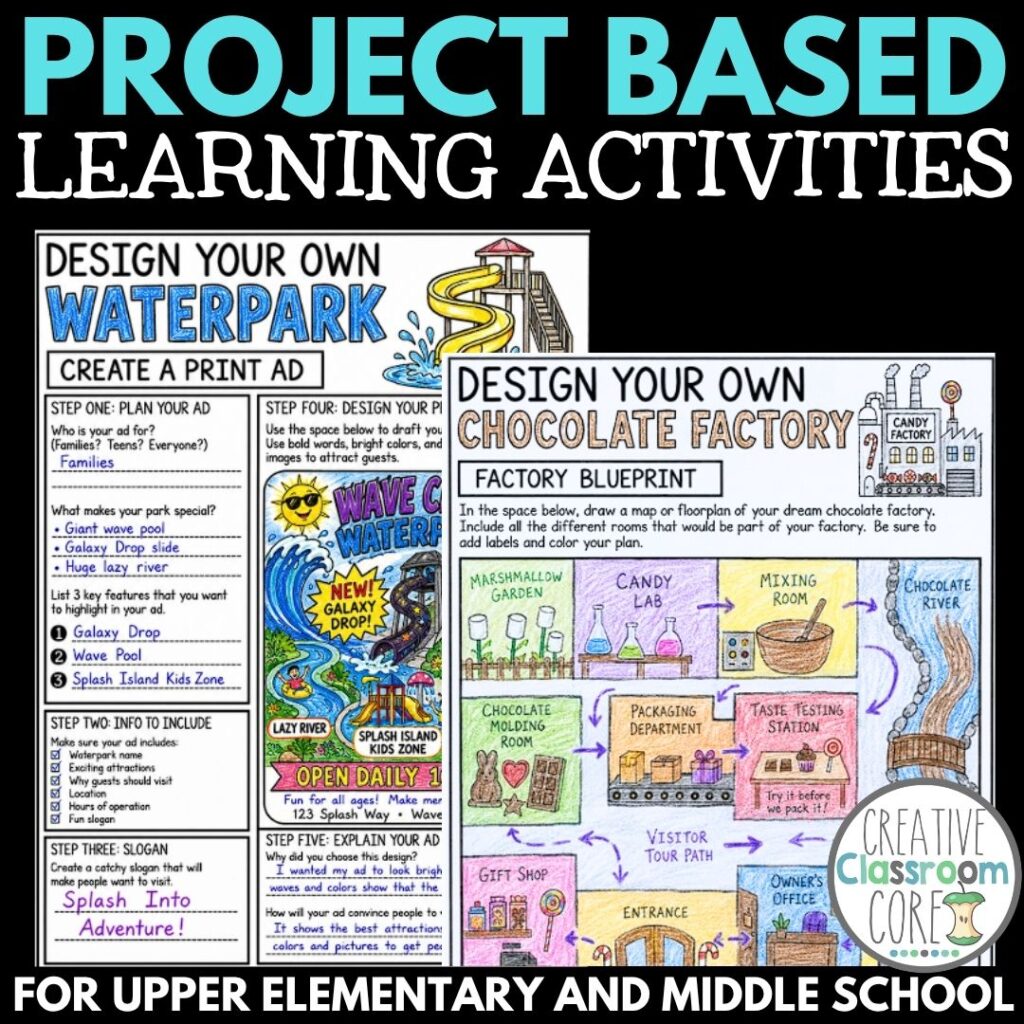
Looking for some fun Project Based Learning Activities that you can print and use right away with your learners? Click on the image or button below to see all of the PBL units available in my TPT shop!
(This post contain affiliate links which means I make a small commission if you make a purchase, at no additional cost to you. Thank you for your support!)
Why Project Based Learning Works in Upper Elementary and Middle School
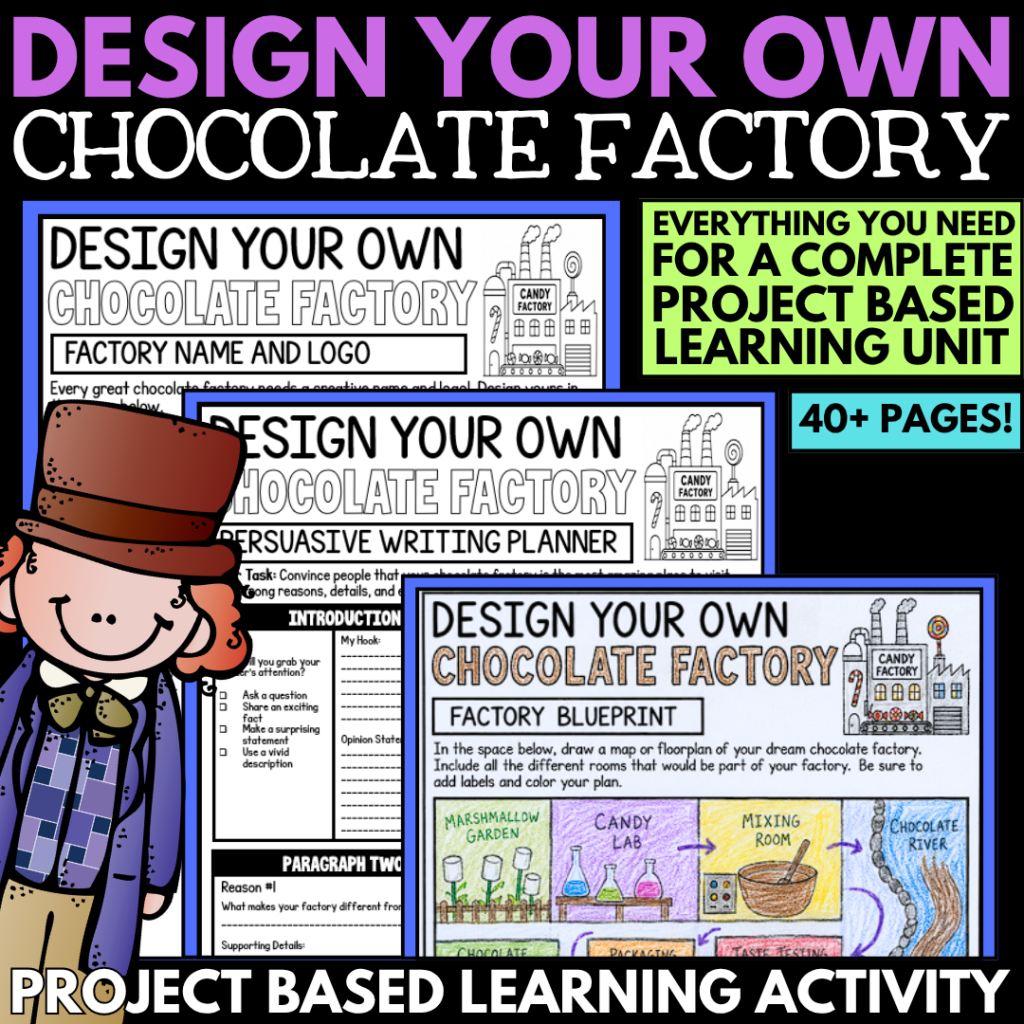
Project Based Learning encourages students to explore a topic through hands-on, real-world tasks that require critical thinking, creativity, collaboration, and communication. Rather than simply learning about a concept, students actively use their knowledge to create something new. Whether students are designing a chocolate factory inspired by Charlie and the Chocolate Factory, creating a museum exhibit about Ancient Greece, or developing a survival plan for a novel study, project-based activities allow learning to come alive.
Increased Student Engagement
One of the greatest benefits of Project Based Learning is increased student engagement. Many students are naturally motivated when they are given choices and opportunities to be creative. Projects allow students to take ownership of their learning while exploring topics in ways that feel meaningful and exciting.
PBL activities challenge students to think beyond simple comprehension questions. Instead of only recalling information from the novel, students must apply what they have learned while adding their own creative ideas. This combination of imagination and academic learning often results in higher levels of participation and enthusiasm.
Encourages Critical Thinking
Project Based Learning activities push students to think deeply about what they are learning. Students must analyze information, make decisions, solve problems, and justify their choices.
These types of questions require students to move beyond memorization and into higher-level thinking.
Builds Real-World Skills
Many PBL activities naturally incorporate skills students will use throughout their lives. Students learn how to plan projects, manage time, organize information, communicate ideas, and present their work to others.
Project-based activities also encourage creativity and innovation. Students learn that there may be multiple solutions to a problem and that original ideas are valuable. These experiences help prepare students for future academic and career opportunities where collaboration, communication, and problem-solving are essential.
Supports Different Learning Styles
Every classroom contains students with different strengths and interests. Some students excel at writing, while others shine through art, design, speaking, or building.
Project Based Learning allows students to demonstrate their understanding in a variety of ways. A student who struggles with traditional tests may thrive when designing a logo, creating a presentation, drawing a blueprint, or developing an advertisement. By providing multiple ways to show learning, PBL helps more students experience success.
Creates Meaningful Cross-Curricular Connections
Many projects naturally combine multiple subject areas into one engaging activity.
A “Design Your Own Chocolate Factory” project, for example, can incorporate:
•Reading comprehension
•Creative writing
•Persuasive writing
•Marketing and advertising
•Art and design
•Problem-solving
•Presentation skills
•Financial Literacy skills
Students often do not realize how many academic skills they are practicing because they are focused on completing an exciting project.
Promotes Student Ownership
When students are given opportunities to make decisions, they become more invested in their work. Choice increases motivation and encourages students to take pride in their final products.
Projects allow students to put their own personalities and interests into their learning. No two completed projects look exactly alike, which makes sharing and celebrating student work even more meaningful.
Creates Lasting Learning Experiences
Ask students about assignments they completed months ago, and they may struggle to remember them. Ask students about a project they designed, built, or presented, and they often remember the experience for years.
Project Based Learning helps students create lasting connections with the content because they are actively involved in the learning process. Instead of simply consuming information, students become creators, designers, and problem-solvers.
Project Based Learning Made Fun
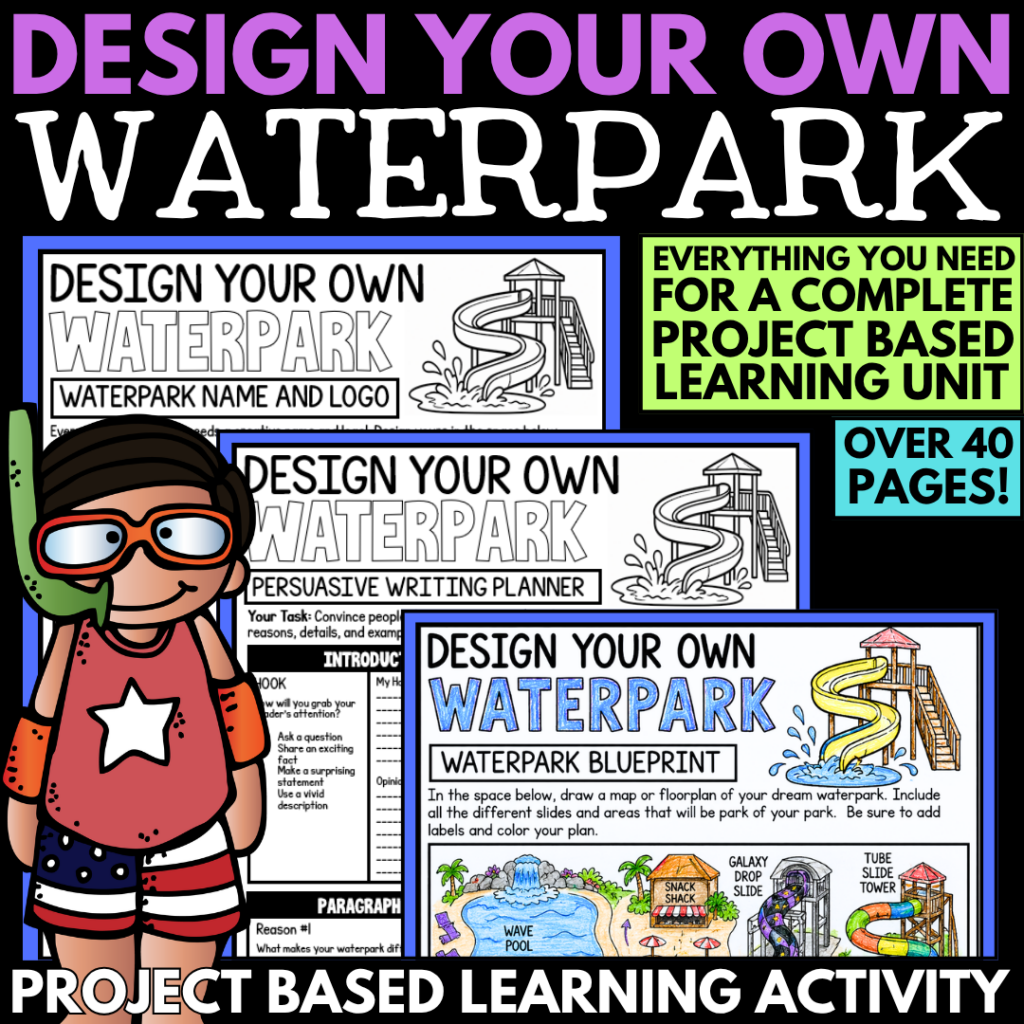
Check out some of the engaging PBL activities available in my TPT shop by clicking on the images or buttons below.
Read more about Project Based Learning
Looking for more information on Project Based Learning? Check out some of these great professional learning resources on Amazon by clicking on the images or button below.
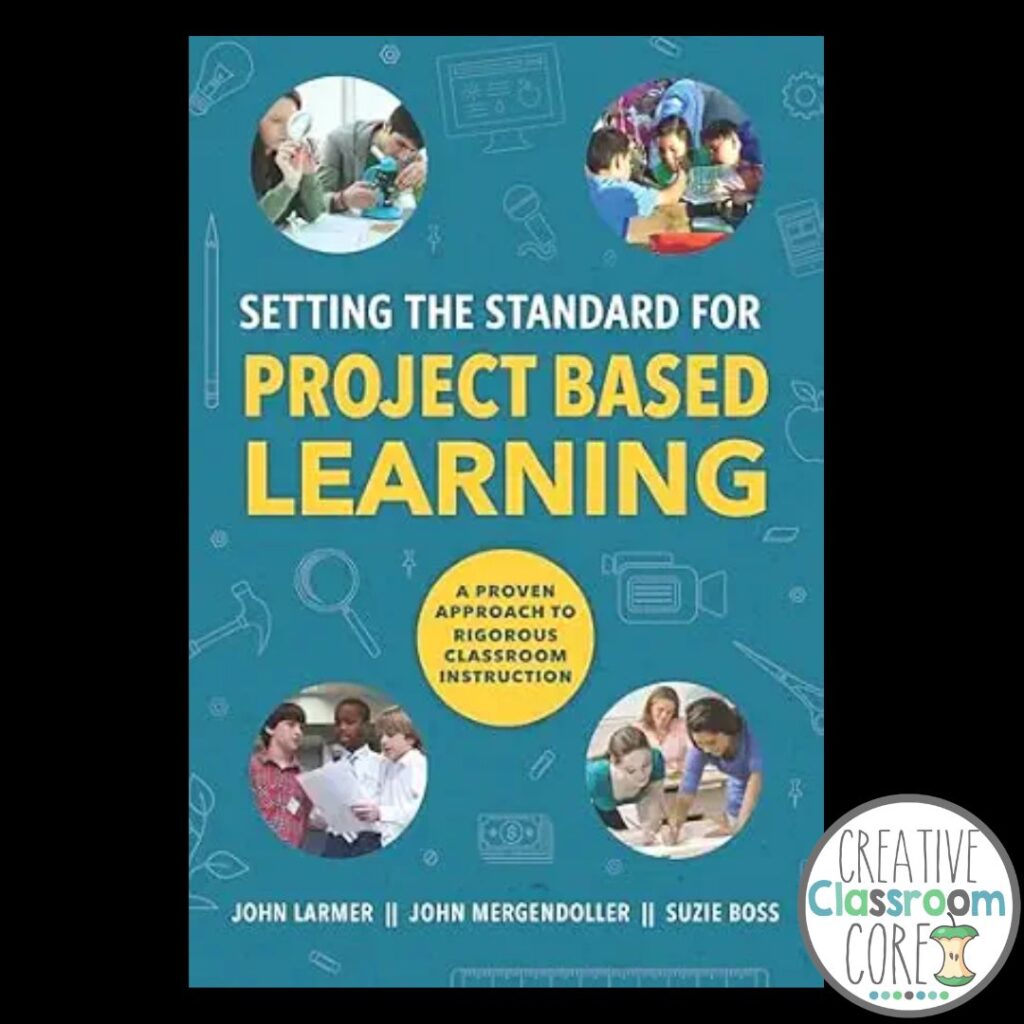
Setting the Standard for Project Based Learning – John Larmer
Project-based learning has become one of the most effective ways to engage students while developing critical thinking, collaboration, and problem-solving skills. In Setting the Standard for Project Based Learning, the authors explain what high-quality PBL looks like and provide practical strategies for designing meaningful, standards-aligned projects. The book emphasizes authentic learning experiences where students investigate real-world questions, collaborate with others, reflect on their learning, and create products for an authentic audience. Packed with classroom examples and implementation tips, it is an excellent resource for teachers looking to create engaging, student-centered learning experiences.
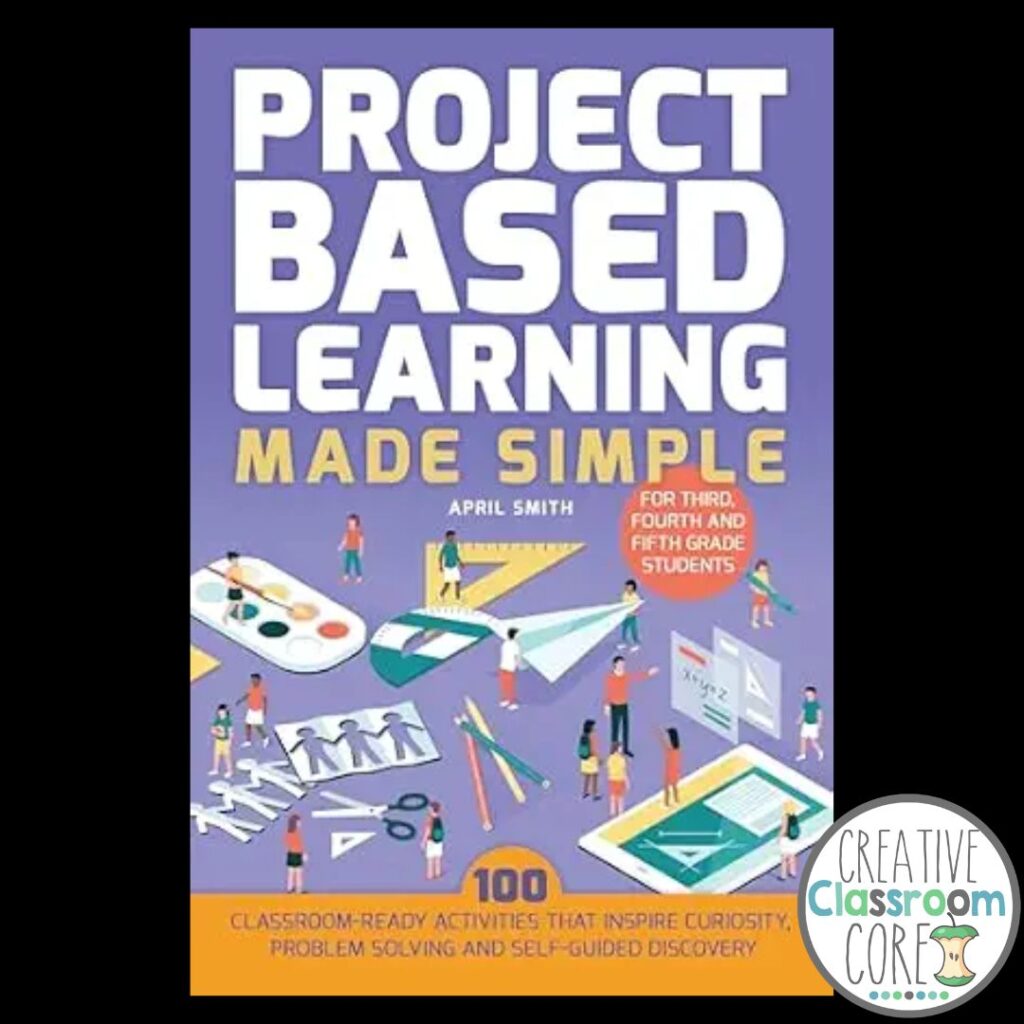
Project Based Learning Made Simple – April Smith
If you’re new to project-based learning, Project-Based Learning Made Simple is a practical guide that breaks the process into manageable steps. The book offers easy-to-follow strategies for planning, launching, and assessing engaging projects while helping teachers align activities with curriculum standards. Filled with classroom examples, templates, and implementation tips, it provides the confidence and tools educators need to successfully bring meaningful, hands-on learning into their classrooms without feeling overwhelmed.
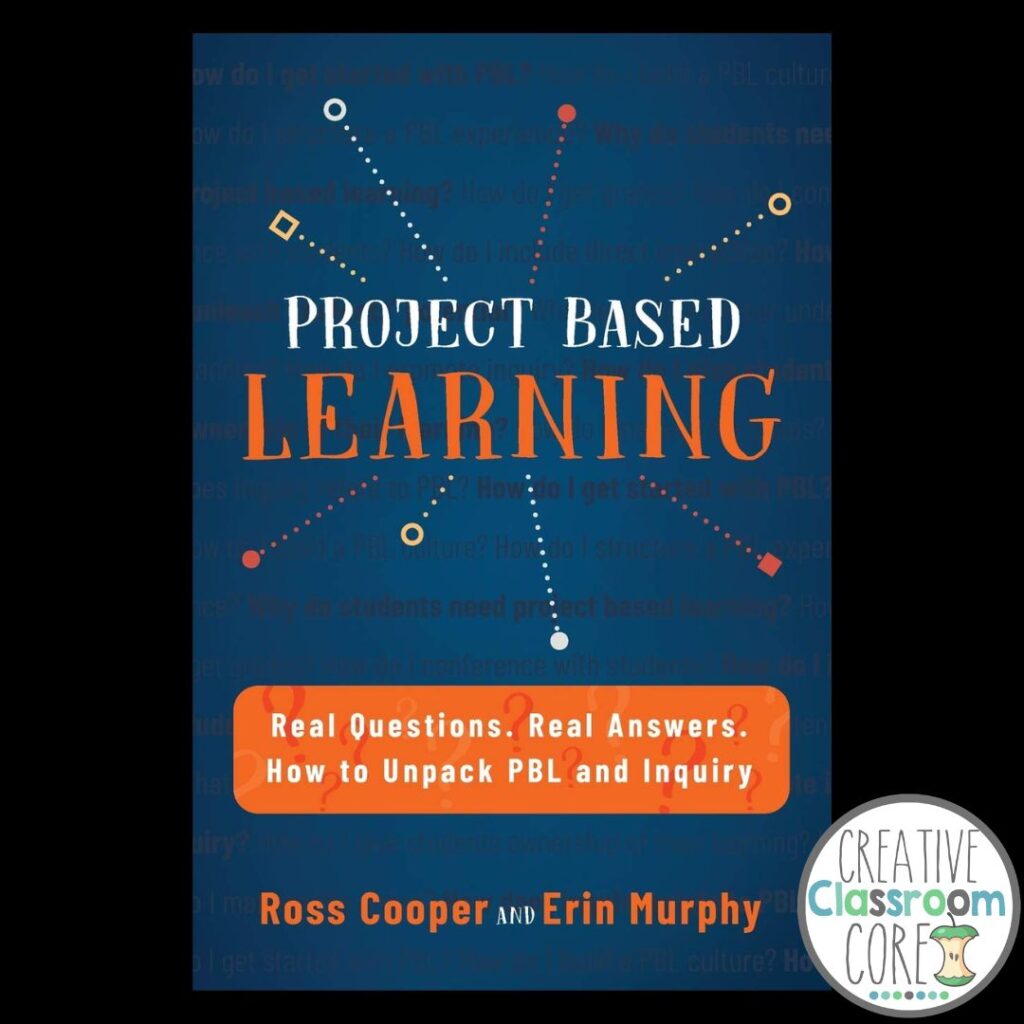
Project Based Learning – Ross Cooper and Erin Murphy
Project Based Learning: Real Questions. Real Answers. addresses many of the common questions and concerns teachers have about implementing project-based learning. Drawing on classroom experience and educational research, the authors provide practical solutions for planning projects, assessing student learning, managing classroom logistics, and meeting academic standards. The book is an excellent resource for educators who want clear, actionable advice to help them confidently implement high-quality PBL in their classrooms.
For more great professional development book suggestions, be sure to check out our post on great summer reads for teachers!
Final Thoughts
Project Based Learning is much more than a fun classroom activity. It provides opportunities for students to think critically, apply knowledge, collaborate with others, and develop important real-world skills. Whether students are designing a chocolate factory, creating a historical museum, developing a business plan, or solving a fictional problem, project-based activities encourage deeper learning and greater engagement.
When thoughtfully planned, PBL can transform a classroom from a place where students simply learn about a topic into a place where they experience, create, and truly connect with their learning.
Interested in signing up for my email list?
If you are interested in signing up for my email list, you can do so by clicking on the link below. I periodically send out emails with free resources, teaching tips, and exclusive deals. Signing up will also give you immediate access to some of my best selling Interactive Notebook resources – foldable activities, graphic organizers, and other fun activities.